


How to improve the fatigue resistance of metal welded parts?
Release Time : 2025-11-28
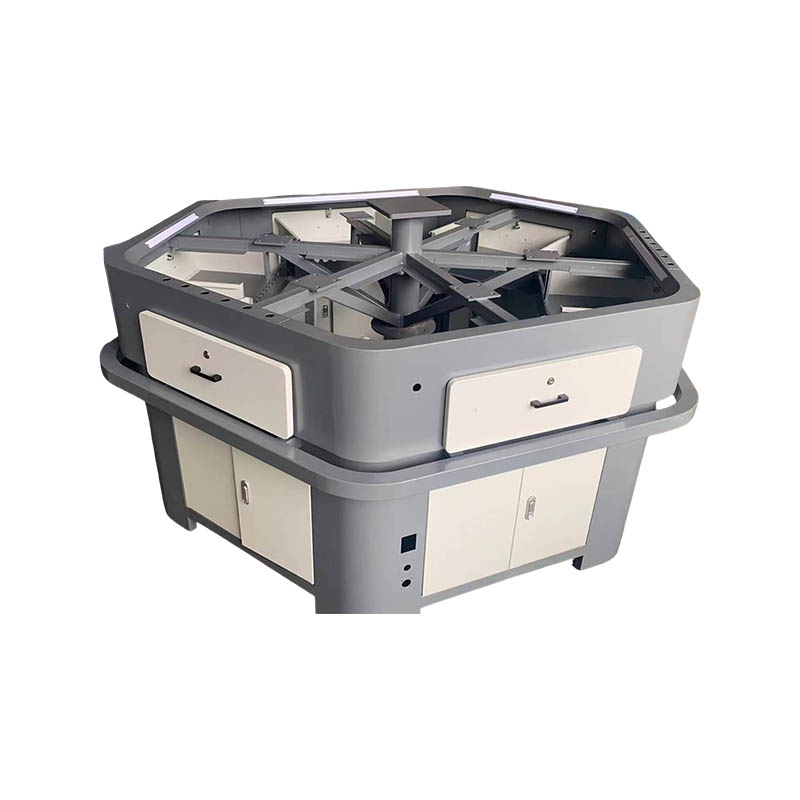
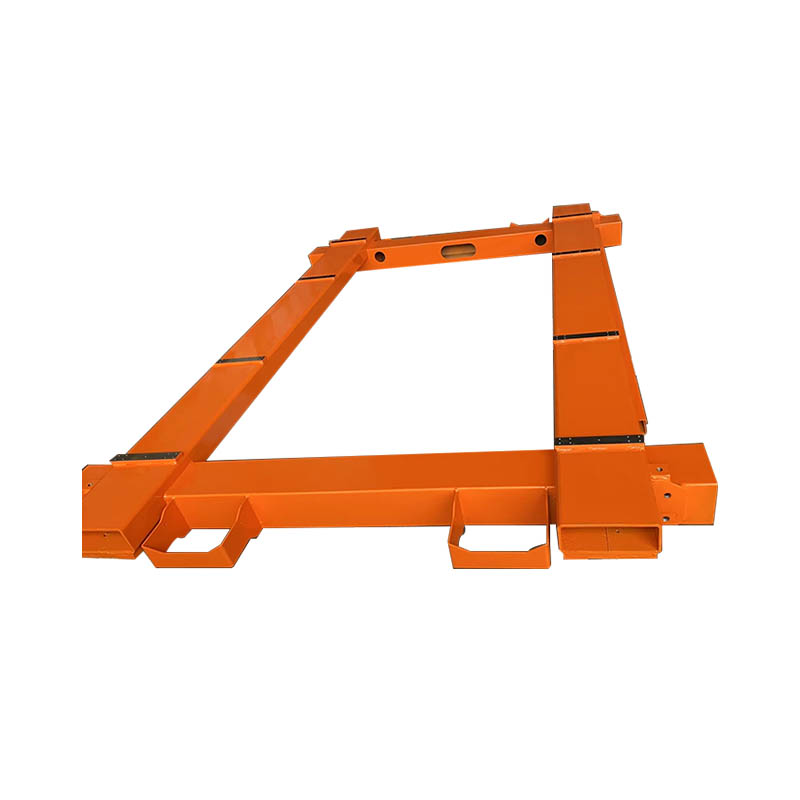
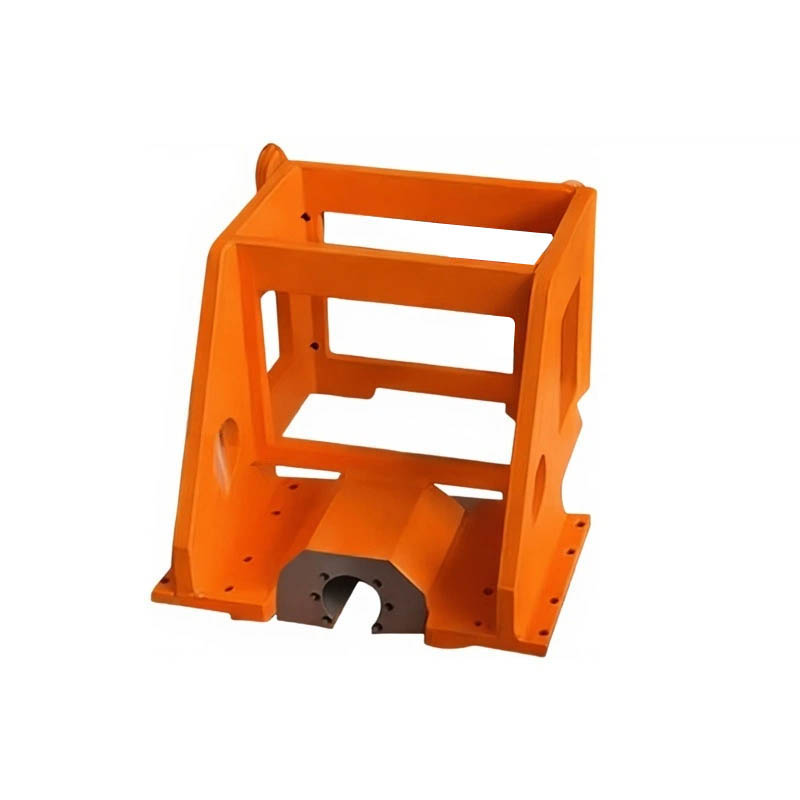
Improving the fatigue resistance of welded components in automotive automation equipment requires a comprehensive approach encompassing material selection, structural design, welding processes, post-treatment strengthening, and quality inspection to form a systematic solution. As core load-bearing components of automotive automation equipment, the fatigue resistance of metal welded parts directly impacts the equipment's service life and operational stability. Especially under complex conditions such as high-frequency vibration and alternating loads, the initiation and propagation of fatigue cracks significantly reduce structural safety; therefore, technological optimization is necessary to enhance their fatigue resistance.
Material selection is fundamental to improving fatigue resistance. For metal welded parts, high-strength, high-toughness, and well-weldable materials should be prioritized, such as low-alloy high-strength steel and duplex steel. These materials maintain high strength while possessing good plasticity reserves, effectively absorbing energy under alternating loads and delaying fatigue crack initiation. For example, in automotive chassis welded components, replacing ordinary carbon steel with duplex steel can increase fatigue life by more than 30%. Furthermore, the surface condition of the material significantly affects fatigue performance; processes such as polishing and shot peening are necessary to eliminate surface defects and reduce stress concentration sources. Structural design optimization is key to improving fatigue resistance. The geometry, transition fillets, and weld layout of metal welding parts must adhere to the principle of "equal strength design" to avoid localized stress concentration. For example, setting appropriate transition fillets at weld joints can make stress distribution more uniform and reduce the risk of crack initiation. For components subjected to alternating loads, using a symmetrical structure can avoid additional stress caused by eccentric loads. Furthermore, reducing the number and length of welds and optimizing weld locations (such as avoiding high-stress areas) can significantly improve fatigue resistance. For example, when welding cantilever arms, moving the weld from a high-stress area to a low-stress area can increase fatigue life by 50%.
Welding process control directly affects the intrinsic quality of metal welding parts. During welding, parameters such as heat input, cooling rate, and weld formation must be strictly controlled to avoid factors that reduce fatigue resistance, such as coarse grains and welding defects. For example, low-heat-input welding methods (such as laser welding and electron beam welding) can refine grains and improve weld toughness. Multi-layer, multi-pass welding processes ensure more uniform heat input to each weld layer, reducing the softening tendency of the heat-affected zone. Furthermore, planned welding sequence (such as symmetrical welding and segmented back-welding) can reduce welding deformation and residual stress, avoiding fatigue cracks caused by stress concentration.
Post-treatment strengthening is an important supplement to improving fatigue resistance. For welded metal welding parts, surface treatment processes such as shot peening and roll forming can introduce residual compressive stress on the surface to counteract tensile stress under alternating loads, thereby delaying fatigue crack propagation. For example, when welding crankshafts, shot peening can achieve a residual compressive stress of over -500 MPa on the surface, significantly improving fatigue resistance. In addition, heat treatment processes (such as quenching and tempering) can adjust the material microstructure and improve overall toughness, especially suitable for high-strength steel welded components.
Weld joint quality inspection is a necessary step to ensure fatigue resistance. Non-destructive testing techniques (such as ultrasonic testing and magnetic particle testing) can promptly detect internal weld defects (such as porosity and cracks), preventing these defects from becoming the origin of fatigue cracks. For critical welded components, fatigue testing is necessary to verify their performance, simulating alternating loads under actual operating conditions to assess whether their fatigue life meets design requirements. For example, during steering knuckle welding, bench fatigue testing can detect potential defects early, ensuring product reliability.
Through the synergistic effect of optimized material selection, improved structural design, controlled welding processes, post-treatment strengthening, and quality inspection, the fatigue resistance of metal welded parts in automotive automation equipment can be significantly improved. From controlling material quality at the source, to managing welding parameters during the process, and finally strengthening surface properties at the end, technological breakthroughs in each stage can extend component lifespan, reduce equipment failure rates, and provide reliable assurance for the high-performance operation of automotive automation equipment.